
10 Unforgettable Homes of History in North Carolina
Just For Fun January 30, 2022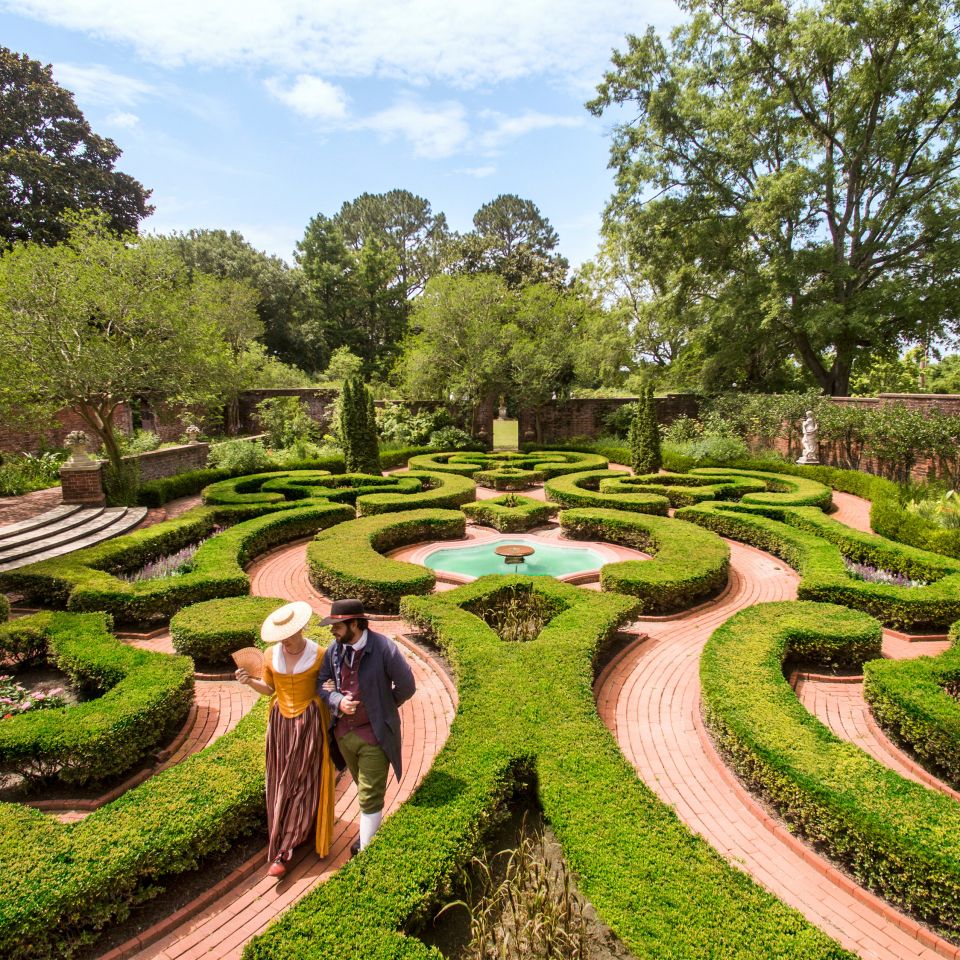
At these engaging sites, visitors immerse themselves in the story by tracing the first flight, watching a drama unfold or visiting a lunch counter that helped turn the tide of segregation.
.41d248a1.jpg)
1-WRIGHT BROTHERS NATIONAL MEMORIAL
Kill Devil HillsSee where bike mechanics Wilbur and Orville Wright took the first manned flight. Walk past markers of the first 1903 flights; the longest lasted about a minute and reached 852 feet. The newly renovated visitors center offers interactive exhibits, as well as a life-size replica of the 1903 Wright Flyer. For a bird’s-eye view of the grassy air strip, hike to the Wright Brothers Monument at the top of Big Kill Devil Hill.
.e71c7c0b.jpg)
2-INTERNATIONAL CIVIL RIGHTS CENTER AND MUSEUM
GreensboroIn the former F.W. Woolworth Co. building, relive the struggle of African-Americans to obtain equal rights at a counter that became a turning point in the journey to end segregation. Film re-enactments depict discussions by the Greensboro Four before their sit-in and the six-month effort that followed to integrate the lunch counter in 1960.
.957a10b7.jpg)
3-THE LOST COLONY
ManteoYou’re pretty much in the play as the story of America’s first British colony unfolds around you on an outdoor stage. First staged in 1937 in Manteo, the production recounts the 1587 English settlement on Roanoke Island that soon mysteriously vanished, leaving no trace of the settlers.
.15a0dc82.jpg)
4-NORTH CAROLINA HISTORY CENTER
New BernTransporting visitors to 1835, the museum’s Pepsi Family Center (named for the drink invented here in New Bern) allows guests to become characters in the story of this river city’s early days. Learn about the culture of the era by helping a shopkeeper find supplies, distilling turpentine from pine sap and piecing together quilt squares. This center is an essential part of the Tryon Palace experience.
.aaeedbc8.jpg)
5-MUSEUM OF THE CHEROKEE INDIAN
CherokeeWalk through 13,000 years in a single exhibit as Story of the Cherokees tells the history of the native people in the southern Appalachian region. Imagine the strength it took to carve tools from stone, and garden without tractors or modern fertilizers. Life-size figurines and computer animation join artifacts to engage visitors.
6-ISLAND FARM
Roanoke IslandA blacksmith’s hammer rings as a rooster crows and a smoky smell fills the air. Interpreters in period attire perform daily chores that would have taken place on Roanoke Island in 1847. They harvest the garden, fry corn cakes in a skillet and wash laundry in steaming water as the children play games in the yard.
.b436bb78.jpg)
7-CSS NEUSE CIVIL WAR INTERPRETIVE CENTER
KinstonRescued from the bottom of the Neuse River in the 1960s, the only remaining Confederate ironclad above water draws visitors to downtown Kinston. Remnants of the Neuse rest in the town where its construction was completed in 1864. The CSS Neuse II, a life-size replica, allows visitors to step inside the hulking warship.
.55bd241a.jpg)
8-LEVINE MUSEUM OF THE NEW SOUTH
CharlotteMore than 1,000 artifacts, images, oral histories and video clips compose Cotton Fields to Skyscrapers, the Levine Museum’s central exhibit that tells the post-Civil War story of the Charlotte region. Touch seed cotton and listen to the rhythmic clatter of a cotton mill while learning about the area’s economic shift from agriculture to textiles to banking.
.a31ff74a.jpg)
9-CRADLE OF FORESTRY
BrevardForest conservation began here in 1889, and the Cradle of Forestry honors that legacy. The Biltmore Campus Trail illustrates what life was like for the first forestry students in the early 1900s with cabins, a schoolhouse and a blacksmith shop. Inside the Forest Discovery Center, visitors fly over a forest fire in a helicopter simulator.
10-REED GOLD MINE
MidlandThe Reed family used an unearthed piece of gold as a doorstop for three years until, in 1802, a jeweler identified the 17-pound nugget, which prompted the country’s first gold rush. Today, visitors tour restored tunnels, view artifacts or perhaps try their luck panning for gold.
Travel back in time and discover more historic North Carolina “firsts” in The Official 2022 North Carolina Travel Guide.
AUTHORS:
Gary Thompson
Leah Hughes
Leave a comment